محفظه احتراق مهر و موم های سرسیلندر ، خانه های دریچه ها و شاخه های جرقه ای ، معابر خنک کننده را ت...
اخبار صنایع
خانه / خبر / اخبار صنایع / The Rising Demand for Automotive Die Cast Moulds in Electric Vehicle Production

As the automotive industry undergoes a seismic shift toward electric vehicles (EVs), one often-overlooked but crucial component driving this transformation is automotive die cast moulding. This technology, which involves creating metal parts by pouring molten metal into molds, is becoming increasingly essential in the production of electric vehicles. تقاضا برای قالب های ریخته گری خودرو در سالهای اخیر افزایش یافته است، که ناشی از نیاز روزافزون به قطعات سبک وزن و با کارایی بالا در خودروهای برقی است.
ریخته گری دایکستینگ یک فرآیند تولیدی است که شامل تزریق فلز مذاب به داخل قالب از پیش شکل تحت فشار بالا می باشد. The result is a highly precise, durable, and complex metal part. Traditionally used in industries such as aerospace and heavy machinery, die casting has become a cornerstone of automotive manufacturing, especially with the advent of electric vehicles.
دلایل پشت این تغییر چند وجهی است، اما شاید مهم ترین آنها تلاش برای کاهش وزن خودرو باشد. برخلاف خودروهای سنتی موتور احتراق داخلی (ICE)، وسایل نقلیه الکتریکی برای تامین انرژی به شدت به باتری ها متکی هستند. Batteries, especially those used in electric cars, are heavy. بنابراین، هر گونه کاهش در وزن کلی وسیله نقلیه برای به حداکثر رساندن برد، کارایی و عملکرد خودرو بسیار مهم است. ریخته گری روشی کارآمد برای تولید قطعات سبک، قوی و پیچیده است که به دستیابی به این هدف کمک می کند.
کاهش وزن یکی از بزرگترین چالش های پیش روی صنعت خودروهای برقی امروزی است. یک عامل کلیدی در تعیین برد و کارایی خودروهای الکتریکی، نسبت وزن به توان است. The lighter the vehicle, the less energy is required to move it, thereby extending its range and improving performance. This is especially important as consumers increasingly demand EVs with longer driving ranges.
Die-cast parts, typically made from aluminum, magnesium, or zinc alloys, are much lighter than traditional steel components. این امر به ویژه در تولید EV بسیار ارزشمند است، جایی که کاهش وزن بدون کاهش قدرت یا دوام اولویت اصلی است. Die casting allows for the production of parts with complex geometries and thinner walls, enabling automakers to meet stringent weight targets.
In addition to reducing the overall weight of the vehicle, die-cast parts also offer superior strength-to-weight ratios compared to many other manufacturing methods. The casting process results in dense, compact parts that retain high strength while keeping weight to a minimum. برای سازندگان EV، این یک مزیت حیاتی است.
One of the most important trends driving the demand for automotive die cast moulds in the EV sector is the increasing use of die-cast aluminum in battery enclosures and structural parts. These components are critical for the safe and efficient operation of electric vehicles. Battery enclosures, for instance, need to be lightweight yet strong enough to protect the sensitive lithium-ion cells within. Die casting provides a method for producing these parts with high precision, durability, and minimal weight.
The electric vehicle’s powertrain also benefits significantly from die casting. Many EV manufacturers are utilizing die-cast parts for components such as motor housings and inverter housings. These parts need to be heat-resistant, durable, and lightweight, which die casting can easily accommodate. The complexity of the shapes and designs required for these components—many of which are intricate and require tight tolerances—makes die casting an ideal solution.
Additionally, die casting is increasingly being used in the production of structural elements such as chassis and body panels. In traditional ICE vehicles, these parts are typically made of stamped steel. However, with EVs, there is a growing trend to replace steel with lightweight aluminum or magnesium die-cast parts to reduce weight and improve performance.
اگرچه ریخته گری نیاز به سرمایه گذاری اولیه قابل توجهی در قالب ها و تجهیزات دارد، اما در دراز مدت صرفه جویی قابل توجهی در هزینه ها ایجاد می کند. The ability to produce parts in high volumes with minimal wastage makes die casting one of the most cost-effective manufacturing methods. Additionally, because die casting allows for the production of complex parts in a single operation, it reduces the need for secondary processes, such as machining or welding, which are often required in traditional manufacturing methods.
As the demand for electric vehicles continues to rise, automakers are seeking ways to make production more efficient while keeping costs competitive. Die casting, with its ability to produce high-quality parts at scale, offers a clear advantage in meeting these objectives.
The growing complexity of electric vehicle designs requires the ability to produce parts with intricate geometries. Traditional manufacturing processes, such as stamping or forging, often struggle to meet these design requirements. Die casting, on the other hand, allows for the creation of highly detailed and complex shapes that would be difficult, if not impossible, to achieve with other methods.
For example, die-cast components can incorporate intricate cooling channels, reinforcing ribs, or internal cavities, which are often necessary for EV parts like battery enclosures or powertrains. This flexibility in design also contributes to reducing the number of parts in an assembly, which further enhances the efficiency of the manufacturing process.
دایکاست قطعاتی با سطح صاف و با کیفیت بالا تولید میکند که اغلب نیاز به ماشینکاری پس از تولید را کاهش میدهد یا از بین میبرد. This is especially beneficial for electric vehicle manufacturers, where precision and aesthetics are increasingly important. The ability to produce high-quality parts with tight tolerances straight out of the mold means that automakers can reduce time and costs associated with additional processing.
Additionally, the ability to produce large quantities of uniform parts with consistent quality is a major advantage of die casting. As EV production scales up, the demand for consistent and reliable components grows, making die casting an ideal choice for mass production.
As sustainability becomes a key consideration in the automotive industry, die casting offers notable advantages. The die-casting process is highly efficient, producing minimal waste and energy consumption compared to traditional manufacturing methods. Aluminum, a common material used in die casting, is highly recyclable, making it an environmentally friendly option for EV production.
Furthermore, the reduction in vehicle weight not only improves the energy efficiency of electric vehicles but also reduces their environmental impact over the vehicle’s lifecycle. Lighter vehicles require less energy to operate, which directly contributes to a decrease in overall emissions.
The growing demand for automotive die cast moulds in electric vehicle production is expected to continue rising in the coming years. As automakers ramp up their production of EVs to meet consumer demand and regulatory targets, die casting will play a critical role in ensuring these vehicles are cost-effective, high-performance, and sustainable.
Looking ahead, further advancements in die casting technology will continue to enhance its capabilities. Innovations in mould design, material science, and automation will likely lead to even greater efficiencies and new applications within the EV sector. As manufacturers focus on making electric vehicles more affordable and accessible to a broader consumer base, the role of die casting will be central to achieving these goals.
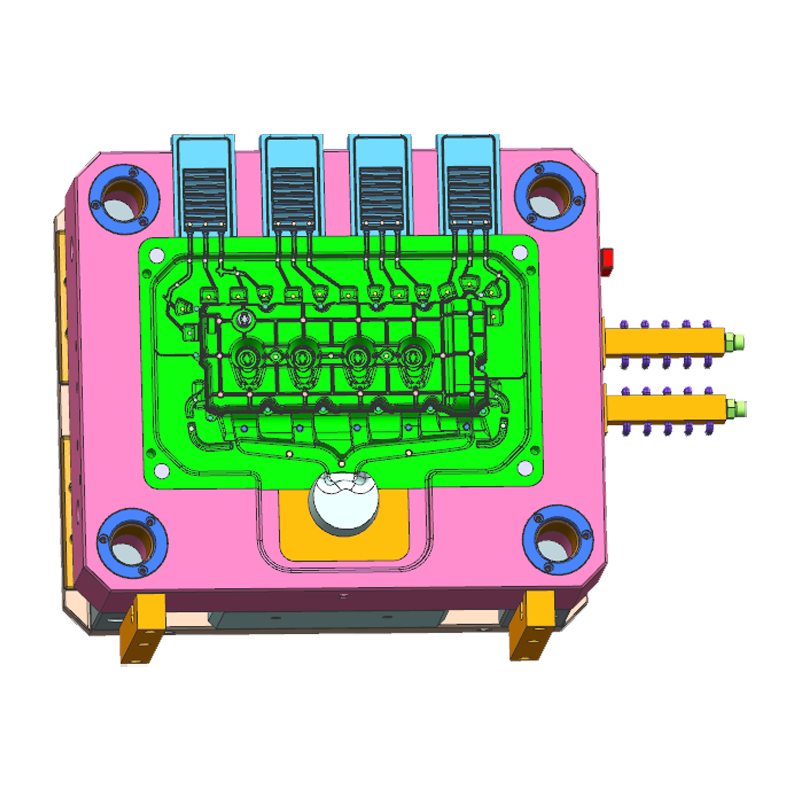
محفظه احتراق مهر و موم های سرسیلندر ، خانه های دریچه ها و شاخه های جرقه ای ، معابر خنک کننده را ت...
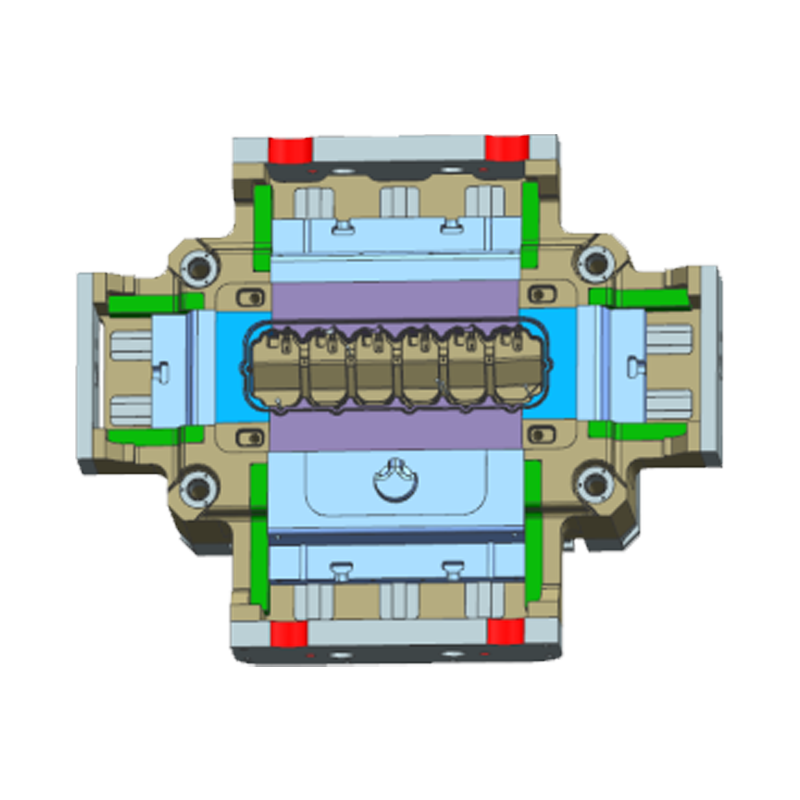
پوشش براکت میل بادامک موقعیت میل بادامک را ایمن می کند ، کانال های روغن را مهر می کند تا از نشت ج...
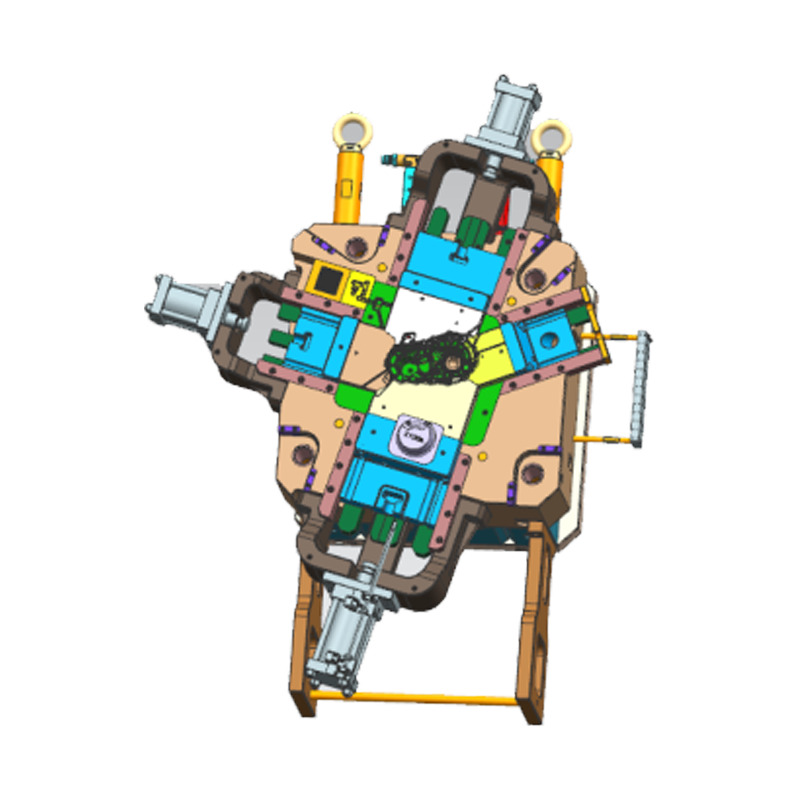
قالب گیربکس با قشنگه آلومینیوم مهمترین الزامات: 1. خصوصیات مواد نیاز به مقاومت در دمای بالا ، ...
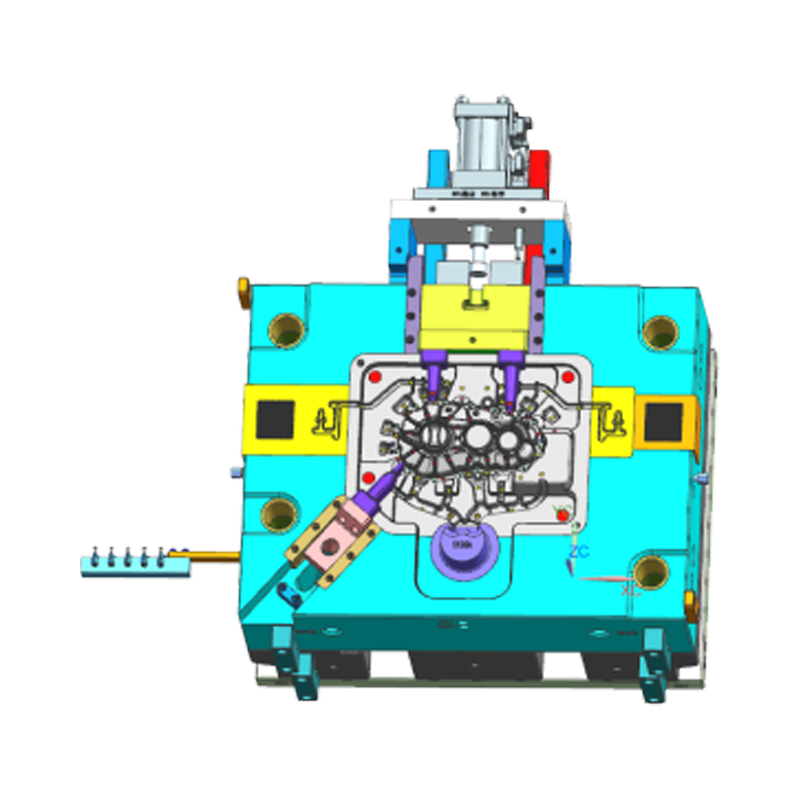
قالب محفظه جانبی EM Transform Casting توسط JYD (Yunmai) برای محفظه عقب انتقال NIO طراحی شده است. ...
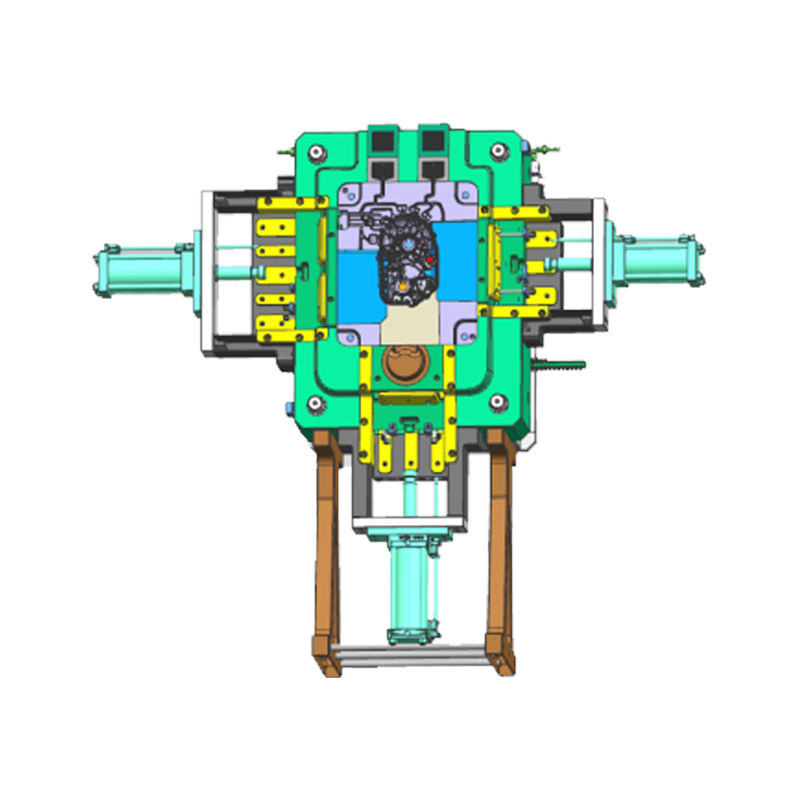
قالب های محفظه عقب انتقال برای تولید کارآمد و دقیق پیشرانه های خودرو است. قالب Yunmai با فناور...
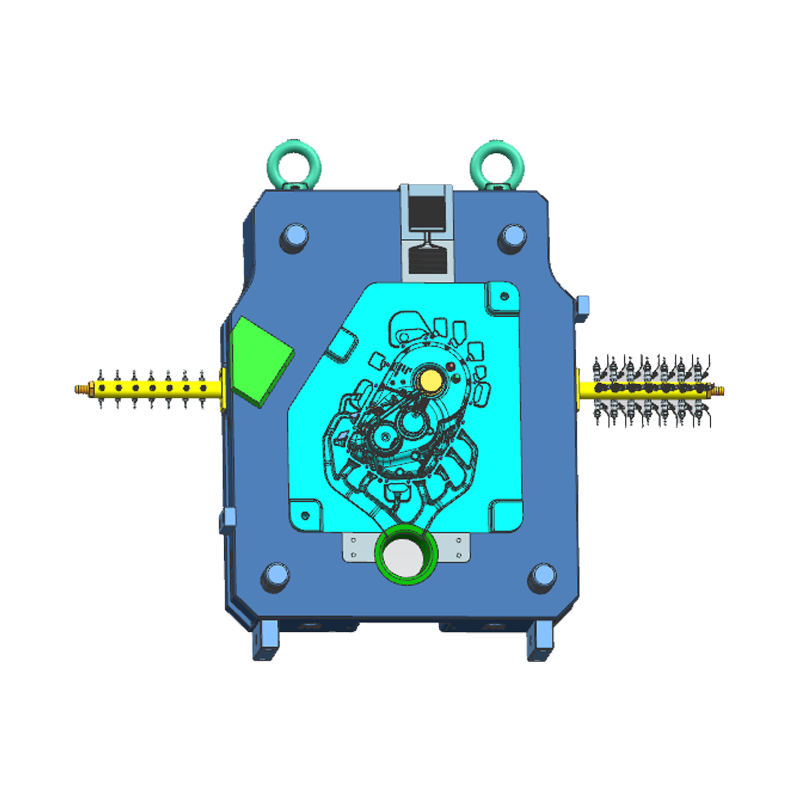
انتقال Seres ساختار حفره پیچیده ای را اتخاذ می کند. سیستم خنک کننده با راندمان بالا ، توسعه قالب ...
کپی رایت © Ningbo Yunmai Precision Machinery Co., Ltd. کلیه حقوق محفوظ است
